In recent weeks, social media platforms have been abuzz with claims that NBA legend Michael Jordan called for athletes who kneel during the national anthem to be stripped of their medals. These assertions have sparked widespread debate, intertwining issues of patriotism, freedom of expression, and the role of athletes in social justice movements.

The controversy began when a Facebook post alleged that Michael Jordan stated, “any athlete who kneels for our national anthem should lose their medal.” This quote was purportedly from a “rare interview,” but the post lacked specifics about the interview’s time, place, or context. Notably, fact-checking organizations, including PolitiFact, have found no evidence to support this claim. Their investigations revealed that the quote originated from a blog without credible sourcing, leading to the conclusion that the statement attributed to Jordan is unfounded.
Contrary to the circulating rumors, Michael Jordan has historically supported athletes’ rights to protest. In 2017, amidst rising tensions over national anthem demonstrations, Jordan expressed that athletes who choose to protest “should not be demonized or ostracized.” He emphasized the importance of constructive dialogue, stating, “We need to find solutions that ensure people of color receive fair and equal treatment.”
The act of kneeling during the national anthem gained prominence in 2016 when NFL quarterback Colin Kaepernick chose this form of protest to highlight systemic racism and police brutality in the United States. This gesture, often referred to as “taking the knee,” has since been adopted by numerous athletes across various sports, sparking both support and criticism.

The false attribution of the medal-stripping statement to Jordan has reignited debates about the appropriateness of athlete protests during national symbols. Supporters argue that such demonstrations are a legitimate exercise of free speech and a powerful method to draw attention to social injustices. Opponents, however, view these actions as disrespectful to national symbols and those who have served the country.
Misinformation, such as the misattributed quote, plays a significant role in shaping public opinion. In an era where information spreads rapidly through social media, verifying the authenticity of sources is crucial. Unverified claims can perpetuate misunderstandings and deepen societal divides.
Athletes have long been at the forefront of social justice movements. From Muhammad Ali’s stand against the Vietnam War to the NBA’s recent initiatives addressing racial inequality, sports figures have utilized their platforms to advocate for change. The national anthem kneeling movement is a continuation of this legacy, prompting discussions about the intersection of sports, politics, and activism.
The recent controversy surrounding Michael Jordan’s alleged comments serves as a reminder of the importance of critical consumption of information. While the statement attributed to Jordan has been debunked, the discussions it sparked reflect ongoing national conversations about patriotism, protest, and the role of public figures in advocating for social change. As these debates continue, it remains essential to approach such topics with a commitment to truth and an understanding of the broader historical and social contexts.
News
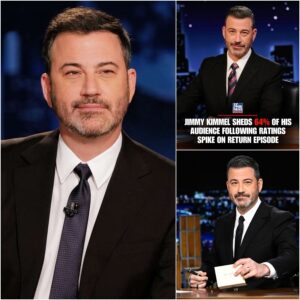
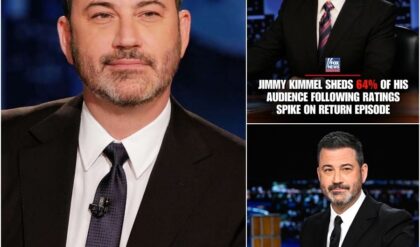
From Hype to Humiliation: Jimmy Kimmel Live! Sees Ratings Crash By a Shocking 64%—Dropping From 6.5 Million Viewers on Tuesday to Just 2.3 Million on Thursday—Leaving Industry Insiders Stunned and Fans Questioning How Long the Late-Night Host Can Survive This Freefall.
Jimmy Kimmel’s Ratings Soar, Then Plummet After Controversial Suspension Over Charlie Kirk Comments Jimmy Kimmel’s triumphant return to late-night television proved short-lived, as viewers abandoned ABC’s “Jimmy Kimmel Live!” in droves following a whirlwind of controversy surrounding the host’s remarks…
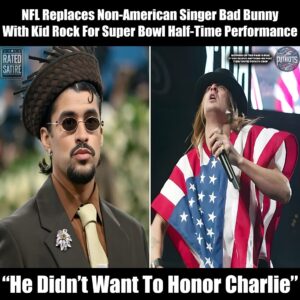
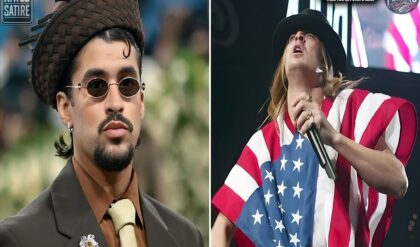
NFL Replaces Non-American Singer Bad Bunny With Kid Rock For Super Bowl Half-Time Performance
In what critics are already calling “the most patriotic course correction since Bud Light hired a bald eagle as brand ambassador,” the NFL has announced that Puerto Rican superstar Bad Bunny will no longer headline the Super Bowl LX halftime…
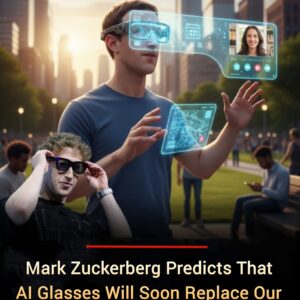
Mark Zuckerberg just revealed Meta’s latest creation — a pair of AI-powered smart glasses that could change everything. At first glance, they look ordinary… until you see what they can *actually* do. From recognizing faces to whispering real-time information straight into your ear, these glasses might be Zuckerberg’s boldest step yet toward blending reality with the digital world. But the most jaw-dropping feature? It’s something no one saw coming.
MARK ZUCKERBERG UNVEILS META’S NEWEST AI-POWERED SMART GLASSES — AND THE FUTURE JUST GOT PERSONAL In a sleek, high-energy presentation streamed live from Menlo Park, Mark Zuckerberg took the stage to unveil Meta’s newest AI-powered smart glasses — a product…
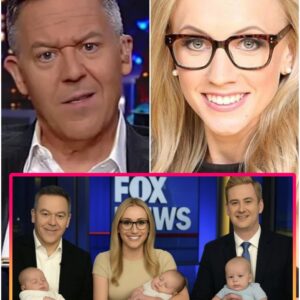
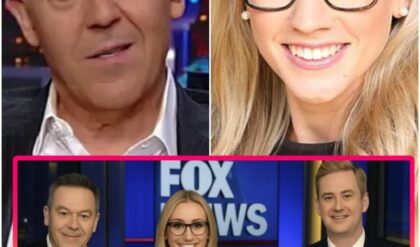
FOX NEWS just experienced its most *adorably chaotic* moment yet — what was supposed to be a lighthearted “Bring Your Baby to Work” segment quickly spiraled into total mayhem. Greg Gutfeld tried to keep control, Kat Timpf couldn’t stop laughing, and Peter Doocy’s toddler did something so unexpected it left the entire studio howling. Viewers couldn’t believe what happened next — and the viral clip has everyone talking. So… what *exactly* went down on live TV?
FOX NEWS DESCENDS INTO CHAOS: “BRING YOUR BABY TO WORK” SEGMENT GOES OFF THE RAILS AS GREG GUTFELD, KAT TIMPF & PETER DOOCY’S LITTLE ONES STEAL THE SHOW IN THE CUTEST MELTDOWN EVER It was supposed to be a lighthearted…
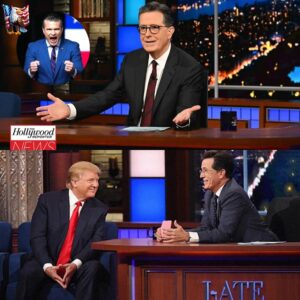
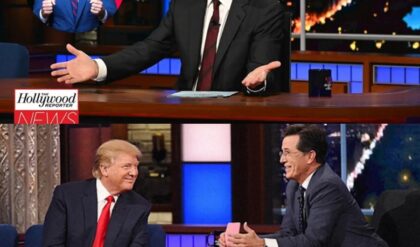
Stephen Colbert just unleashed one of his most savage takedowns yet — and his target this time was Fox News host Pete Hegseth. The crowd gasped when Colbert dropped five shocking words that instantly went viral. But it’s what he said after that left even his own audience stunned into silence. What did Colbert reveal that had social media exploding overnight?
Late-night hosts recap Pete Hegseth’s precedent-shattering mandatory meeting for US generals in Virginia, where he railed against “fat troops”. Stephen Colbert Stephen Colbert opened Tuesday’s Late Show with a countdown to a government shutdown, which would cut numerous essential services and…
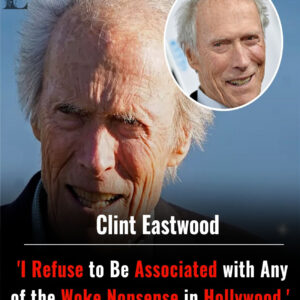
Clint Eastwood Declares: ‘I Refuse to Be Associated with Any of the Woke Nonsense in Hollywood.’
Clint Eastwood Returns His Oscars in Defiance of Hollywood’s ‘Woke Culture In a stunning act of defiance against what he perceives as Hollywood’s moral decay, Clint Eastwood has made a bold decision: returning all of his Oscars. For Eastwood, this…
End of content
No more pages to load