It was the band’s first show in 11 months and took place the same day Vince Neil revealed that he suffered a stroke last Christmas.
The singer told the Las Vegas Review-Journal that he had to learn to walk again before taking part in this residency, which was originally scheduled to take place in March and April.
Although he was noticeably and understandably moving around the stage gingerly, Neil’s voice sounded exactly the same as it did the last time he performed with Motley Crue.
Neither Neil nor his bandmates made any reference to the incident from the stage. “What happens in Vegas stays in Vegas,” he said early in the show. “What happens to Motley goes to TMZ.”
From Clubs to Arenas: Motley Crue’s Vegas Residency Plots Their Ascension
The concert began with Motley Crue performing two songs from their 1981 debut Too Fast for Love while gathered closely together in front of a backdrop resembling their early club shows.
When the third song “Wild Side” kicked in, the stage began to roar to life with lights and huge video screens, as bassist Nikki Sixx and guitarist John 5 began to roam the expansive stage more freely.
Before kicking off “Primal Scream,” Sixx made sure the crowd knew this wasn’t a sit-down dinner theater performance. “Stand the fuck up right now, even in the fucking expensive seats. You’ve got to stand up, you’ve got to put your hands up, you’re at a Motley Crue concert. It’s not Backstreet Boys, motherfuckers, this is fucking rock and roll, right?”
John 5 continues to integrate himself into the band, extending certain guitar solos or adding clever musical asides, while making sure to stay faithful to the work of his predecessor Mick Mars.
Motley Crue in Vegas: No Drum Stunts but Classic Rock References Aplenty
Tommy Lee did not perform any kind of drum solo stunt, instead using his time in the spotlight to reminisce about the creation of “Home Sweet Home” with Sixx and Neil.
The group also threw a snippet of Led Zeppelin’s “Immigrant Song” into “Shout at the Devil” and played the Rolling Stones’ “Miss You” while Neil introduced the dancing and backup singing duo the Nasty Habits.
When the 82-minute show concluded, Lee thanked the crowd and urged them to have fun with the rest of their nights, promising that he would do the same.
Motley Crue Sept. 12, 2025 Las Vegas Residency Setlist
1. “Too Fast for Love”
2. “Live Wire”
3. “Wild Side”
4. “Shout at the Devil”
5. “Looks That Kill”
6. “Primal Scream”
7. “On With the Show”
8. “Home Sweet Home”
9. Guitar Solo
10. “Rock and Roll, Part 2” / “Smokin’ in the Boys Room” / “Helter Skelter” / “Anarchy in the U.K.” / “Blitzkrieg Bop” / “Fight for Your Right”
11. “Dr. Feelgood”
12. “Same Ol’ Situation (S.O.S.)”
13. “Girls, Girls, Girls”
14. “Kickstart My Heart”
Motley Crue Albums Ranked
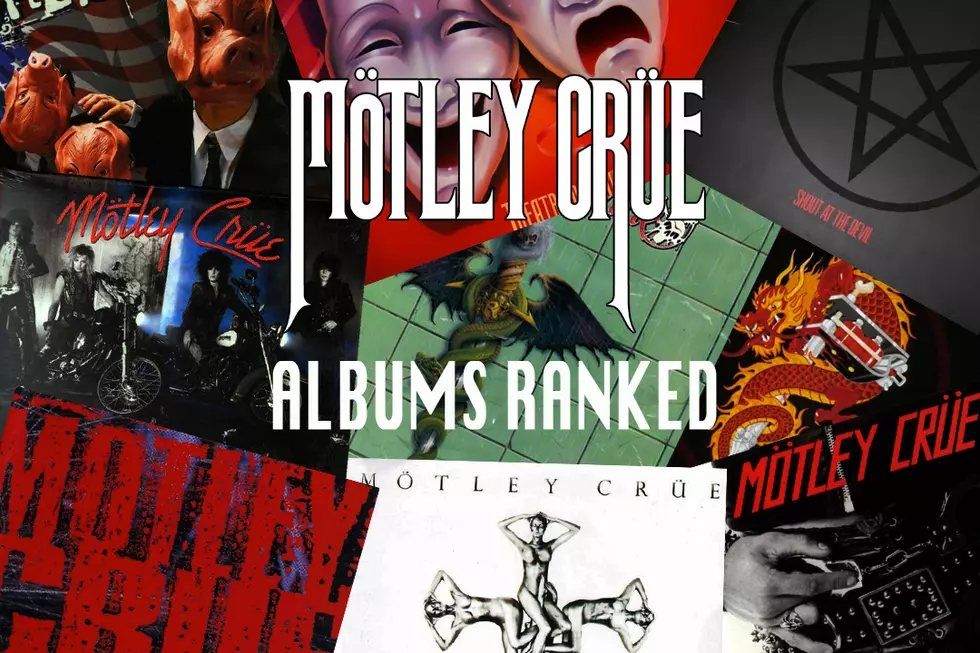
Motley Crue Albums Ranked
Loudwire
Motley Crue Albums Ranked
Scroll through the gallery to see how we ranked Motley Crue’s albums from weakest to strongest.
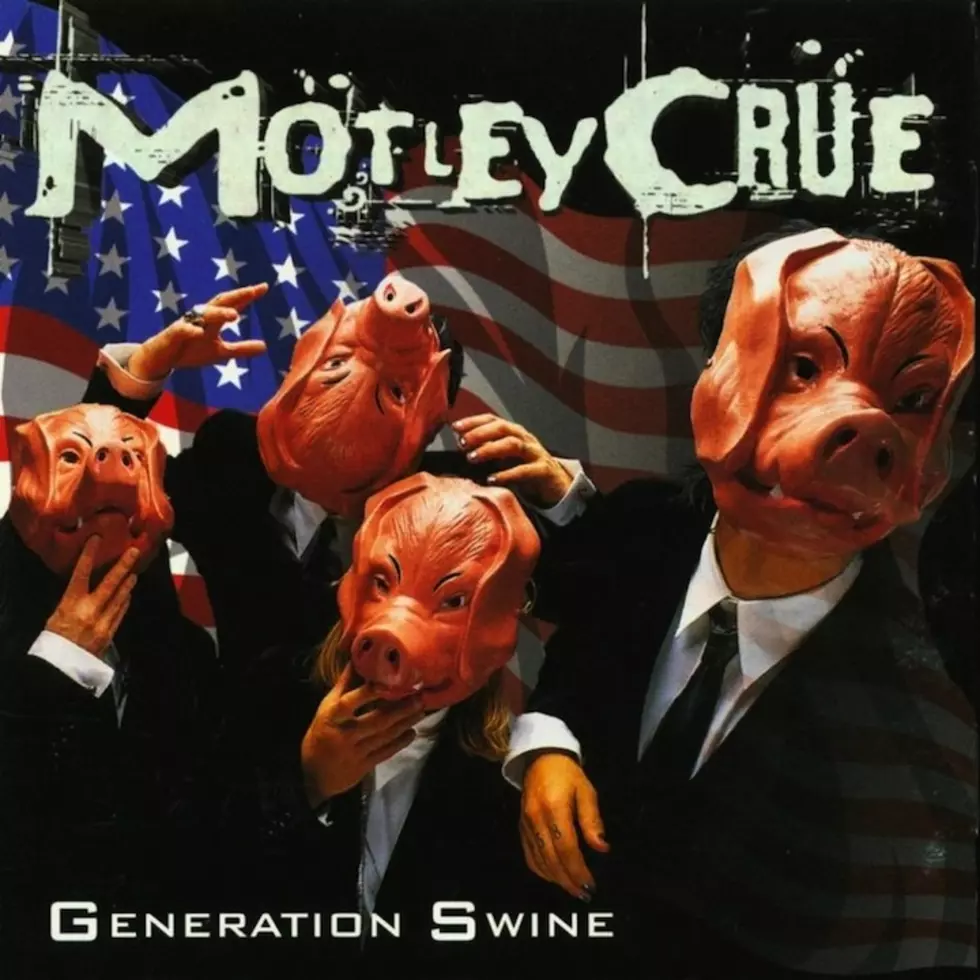
9. Generation Swine (1997)
Elektra
9. ‘Generation Swine’ (1997)
After years of public mud-slinging, Motley Crue’s original foursome of Nikki Sixx, Mick Mars, Tommy Lee and Vince Neil seemingly buried the hatchet, and the result was this palpably uncomfortable reunion album. And a musically confused one, too, marked by songs that still dabbled in grunge (“Afraid” being the best example), as well as industrial and techno gimmicks, but precious little of the infectious hard rock that fans were clamoring for.

8. New Tattoo (2000)
Motley/Eleven Seven
8. ‘New Tattoo’ (2000)
Losing Tommy Lee (replaced by the talented Randy Castillo) seemed to snap Motley Crue out of their 1990s confusion, convincing the group that it was time to get back to the raunchy subjects (“Hell On High Heels”), rugged riffs (“Treat Me Like the Dog I Am”), and occasional ballad (“New Tattoo,” “Hollywood Ending”) that made fans love them in the first place. “Thank you!” cried their fans, and while the platinum sales of yore would have to wait (and wait, and wait), this was a step in the right direction.
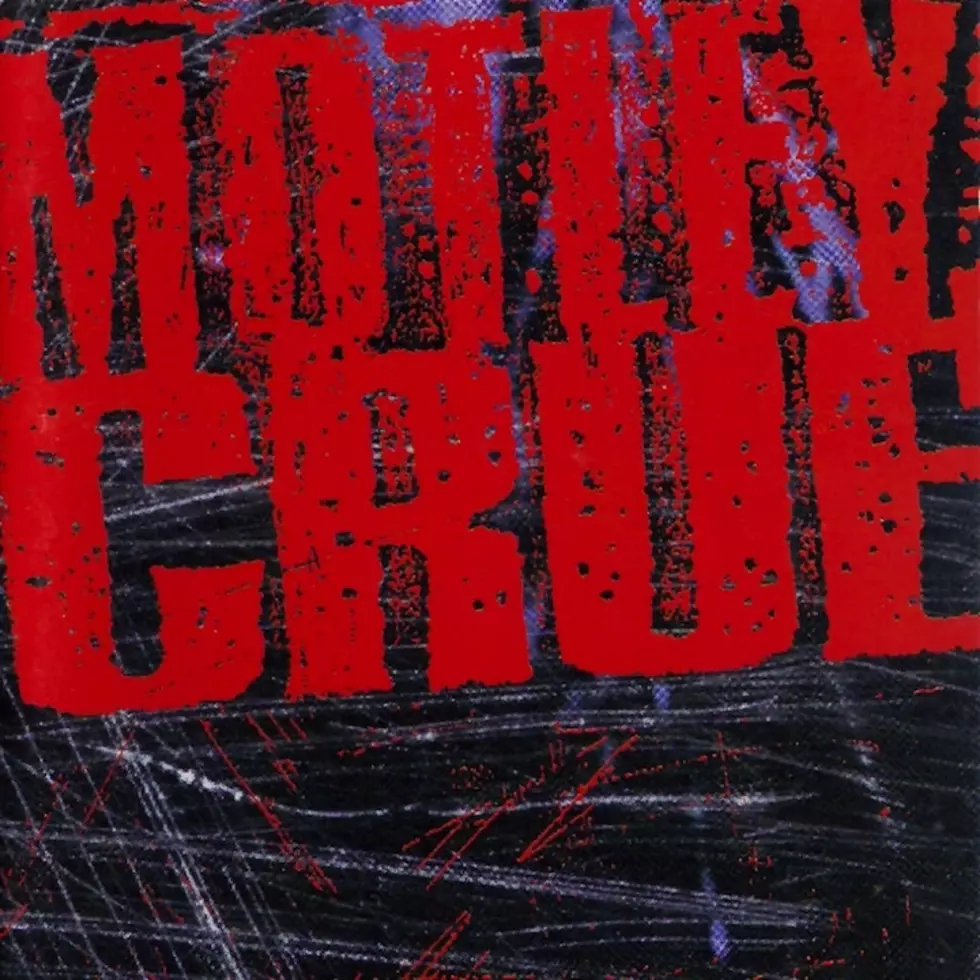
7. Motley Crue (1994)
Elektra
7. ‘Motley Crue’ (1994)
When aliens pick through humanity’s ruins in a million years, don’t be surprised if they deduce that this self-titled LP, so steeped in the gritty realism of alternative rock, was one of the Crue’s finest hours. But that’s because it takes an earthling to appreciate the decadent appeal of Motley Crue’s sleazy hair metal, which left many fans unwilling to accept very solid (but wholly uncharacteristic) numbers like “Hooligan’s Holiday” and “Power to the Music” and made this mid-career stumble with John Corabbi a commercial failure. And proof you have to give the people what they want.

6. Saints of Los Angeles (2008)
Motley/Eleven Seven
6. ‘Saints of Los Angeles’ (2008)
It took them nearly 20 years to get there, but Motley Crue finally recovered some of their Sunset Strip mojo with 2008’s ‘Saints of Los Angeles.’ Who says familiarity automatically breeds contempt, because the millions of fans who flocked to Motley Crue’s never-ending farewell tour seemed all too eager to wallow in self-deprecating anthems like “Face Down in the Dirt” and Mutherf**ker of the Year” alongside their heroes. Or else, they joined them on a nostalgic visit to ol’ Hollywood via “Down at the Whiskey” and the self-explanatory “Girls = Trouble.”

5. Girls Girls Girls (1987)
Elektra
5. ‘Girls Girls Girls’ (1987)
Probably the least satisfying LP from da Crue’s golden era, ‘Girls Girls Girls’ countered a few, very mediocre tunes (“Five Years Dead,” “You’re All I Need,” a dialed in “live” cover of “Jailhouse Rock”) with its MTV-ruling title track, the two-tempo innovations of “Wild Side,” and the revealing “Dancing on Glass,” which gave fans their only honest glimpse of the band’s roiling internal issues with substance abuse. Still, those rare highlights carry their weight a long way.

4. Dr. Feelgood (1989)
Elektra
4. ‘Dr. Feelgood’ (1989)
Motley Crue’s fastest selling album, up to that point, ‘Dr. Feelgood’ benefitted from the massive production of Bob Rock and the group’s newfound commitment to good health to put the band back on top of the charts. What’s more, though Mick Mars’ riffing remained tenaciously heavy, both the title track and “Kickstart My Heart” had no difficulty storming the radio and MTV airwaves, soon followed by the effective ballad “Without You” and amusing “Don’t Go Away Mad (Just Go Away).” Otherwise, the songwriting got a little thin (“Same Ol’ Situation”) and a bit clichéd (see the Aerosmith wannabe, “Rattlesnake Shake”), but ‘Feelgood’ was still a powerful reflection of its times.
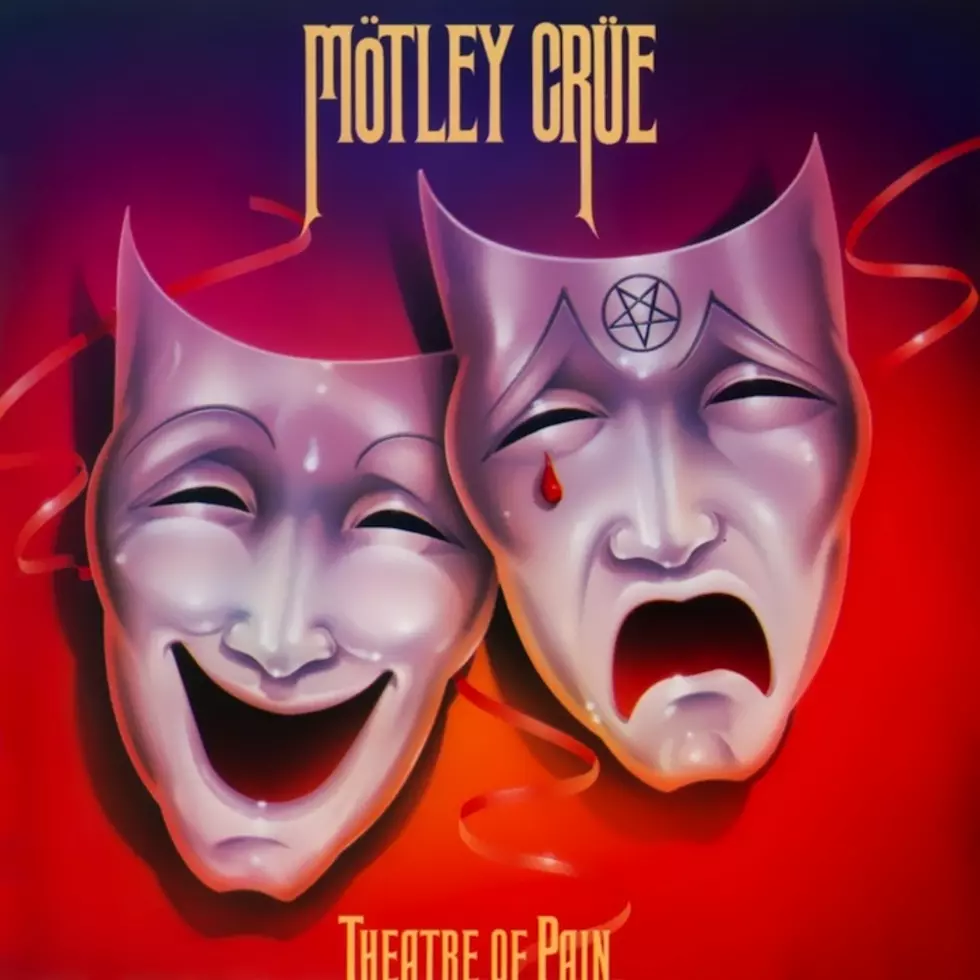
3. Theatre of Pain (1985)
Elektra
3. ‘Theatre of Pain’ (1985)
As a direct follow-up to the formidable ‘Shout at the Devil,’ ‘Theatre of Pain’ was something of an inconsistent letdown, reliant on cover tunes (Brownsville Station’s “Smokin’ in the Boys Room”) and piano ballads (“Home Sweet Home”) to storm the charts, but it would be unfair to ignore the millions of fans who love these hits so much. And it would likewise be specious to forget about worthy head-banging highlights like “City Boy Blues,” “Use it or Lose It,” and “Tonight (We Need a Lover)” amid the less distinctive numbers in between, most of which still bested a good number of the songs found on Motley’s ensuing few albums.

2. Too Fast for Love (1981)
Elektra
2. ‘Too Fast for Love’ (1981)
‘Too Fast for Love’ is what goes down when honest-to-goodness street urchins cut loose in the studio: an urban punk rock record in wolf’s (metallic) clothing; so raw, so vital, so dangerous it forced the music industry to take notice of Motley Crue. Originally released on the band’s own Leathur Records before being snapped up for reissue by Elektra, this debut showcased Nikki Sixx’s precocious songwriting knack on lasting favorites like “Live Wire,” “Public Enemy #1” and “Piece of Your Action,” but there was frankly not a single dud in the house. The ‘80s wouldn’t have been the same without ‘Too Fast for Love.’
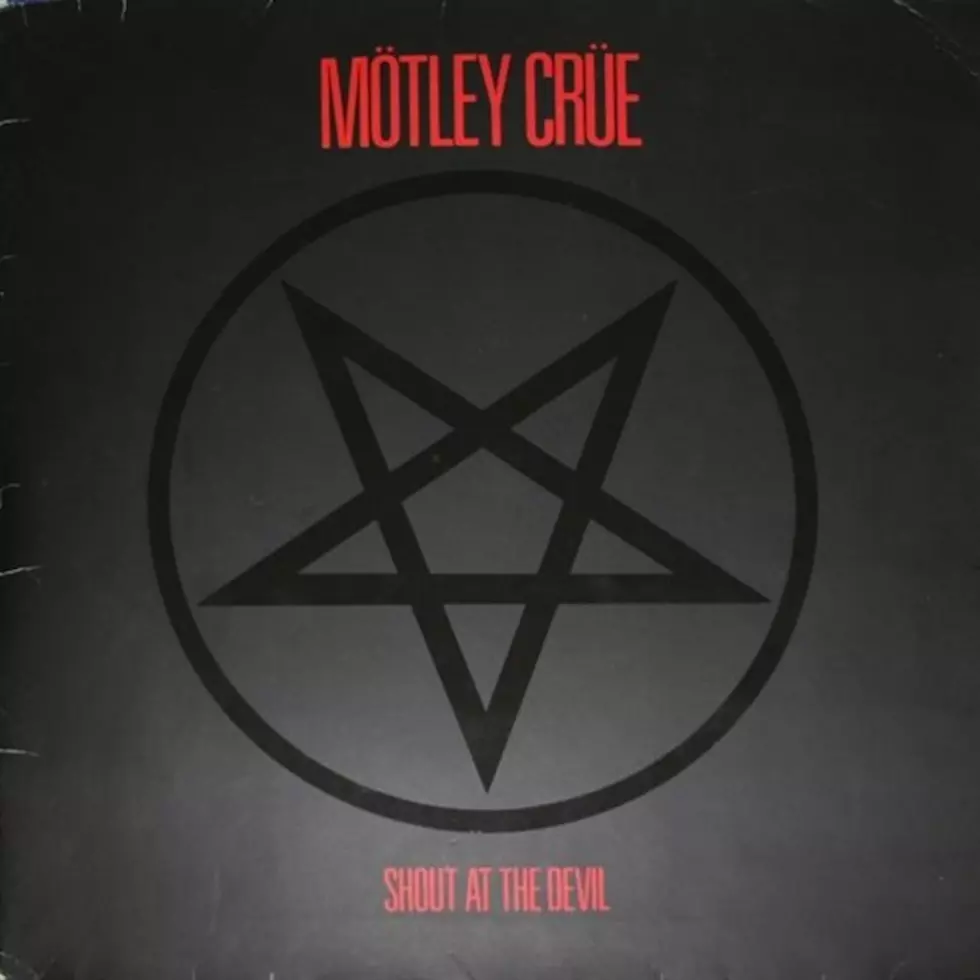
1. Shout at the Devil (1983)
Elektra
1. ‘Shout at the Devil’ (1983)
The most influential hair metal album of all time, ‘Shout at the Devil’ gave that movement its signature statement and all-important catalyst – something not even Guns n’ Roses’ ‘Appetite for Destruction’ (its only legitimate competitor for top of the podium) could lay claim to, arriving all of four years later. For all their hooks and retroactive mass appeal, heavy, uncompromising songs like “Looks that Kill,” “Too Young to Fall in Love” and the title cut were designed to shock and awe, not make friends or even sell butt-loads of records. They just sold them anyway, because the Crue captured the zeitgeist of America’s rising heavy metal wave by the throats, sank their fangs in, and refused to let go for a decade and beyond.
News
ABC Suspends Whoopi Goldberg Indefinitely After Disgusting Comments About Charlie Kirk, “We’ve Had Enough Of Whoopi”
It finally happened. After years of teetering on the edge of controversy, Whoopi Goldberg has been given the dreaded “indefinite suspension” stamp by ABC executives. The straw that broke the camel’s back? Not a poorly timed Holocaust analogy, not an…
Dolly Parton postpones Vegas shows: Here’s what she told fans about her health
Dolly Parton announced Sunday that she is postponing her upcoming Las Vegas residency due to health concerns. The country icon shared the news in a statement on Instagram. Related Articles ‘Hello, I’m Dolly’: Dolly Parton’s life story will come to Broadway in…

Bad Bunny will be performing at the Super Bowl LX halftime show on February 8, 2026
Bad Bunny to Headline 2026 Super Bowl Halftime Show The halftime show, presented by Apple Music and executive produced by Roc Nation and Jesse Collins, will air live Feb. 8 from the Bay Area. Bad Bunny en el escenario durante la…
Jimmy Kimmel Launches GoFundMe After Losing Another $20 Million in Sponsorships Over Charlie Kirk Comments
If you thought Jimmy Kimmel’s suspension was rock bottom, think again. The late-night host has now reportedly launched a GoFundMe page after losing another $20 million in sponsorships over his controversial comments about the late Charlie Kirk. That’s right: the…
Guy Ritchie’s next Action Thriller film — IN THE GREY. Starring Henry Cavill, Jake Gyllenhaal, Eiza González and Rosamund Pike. Set to hit theaters in fall 2025, it’s shaping up to be the most anticipated horror film of the year.
In a thrilling departure from his signature action and gangster flicks, director Guy Ritchie is set to unleash In the Grey, a horror film poised to dominate the genre in fall 2025. Starring an all-star cast led by Henry Cavill, Jake…
Superman ending, James Gunn sets up the new DCU and Peacemaker season 2
Henry Cavill steps into the iconic role of James Bond in 007 Bond 2025, bringing suave charisma, brutal power, and refined intensity. This explosive new chapter delivers world-class espionage, heart-pounding action, and a mission that could change everything. Superman, the…
End of content
No more pages to load