Richie Sambora has detailed a conversation late in his Bon Jovi tenure that “shook” the guitarist.
During a recent appearance on the Magnificent Others podcast, hosted by Smashing Pumpkins’ Billy Corgan, Sambora – who departed Bon Jovi in 2013 – reflected on his final days in the band, noting how he and frontman Jon Bon Jovi seemed to be drifting apart..
“I felt like Jon was changing his focus and he often wanted to be a solo artist,” the guitarist noted. “And I go, ‘Go make a solo [album]’… He was definitely changing directions.”
Solo albums weren’t foreign to the musicians. In fact, Sambora himself had just come back from touring in support of his 2012 solo LP Aftermath of the Lowdown. When the guitarist reconnected with Bon Jovi to work on the band’s next album, he assumed he and the singer would handle the bulk of the songwriting duties, as they’d done for the majority of their successful career. However, Sambora soon realized something had changed.
“[Jon Bon Jovi] said, all of a sudden, ‘Nah, you don’t gotta worry about [songwriting],” Sambora recalled. “'[Session guitarist] John Shanks and I wrote like 30 songs.’”
Sambora Said the New Material ‘Sounded Like Every Song That I Didn’t Want to Write’
As Sambora noted, his songwriting partnership with Bon Jovi had proven incredibly fruitful up to that point. Across more than 30 years, the bandmates collaborated on such timeless tracks as “You Give Love a Bad Name,” “Livin’ on a Prayer,” “Wanted Dead or Alive” and “I’ll Be There for You.” Having that dynamic changed was startling to the guitarist.
“It shook me a little bit,” Sambora admitted. “But I said, ‘Alright. What do you got?”
In an attempt to keep an open mind, Sambora listened to the songs Bon Jovi and Shanks had worked on. “And it didn’t sound like Bon Jovi. It didn’t sound like the band,” the rocker explained. “It sounded like every song that I didn’t want to write.”
Sambora left Bon Jovi soon afterward, opting to focus on his family life. Bon Jovi’s next album, 2015’s Burning Bridges, was made up largely of material written with Shanks and producer Billy Falcon. Sambora received one songwriting credit on the LP for “Saturday Night Gave Me Sunday Morning,” a tune that was started prior to his departure. 2016’s This House Is Not for Sale marked the first Bon Jovi album without a Sambora songwriting credit.
The Best Album From 11 Big Hair Metal Bands
Despite what the critics thought, the genre’s best bands had a penchant for reinvention.
Gallery Credit: Bryan Rolli
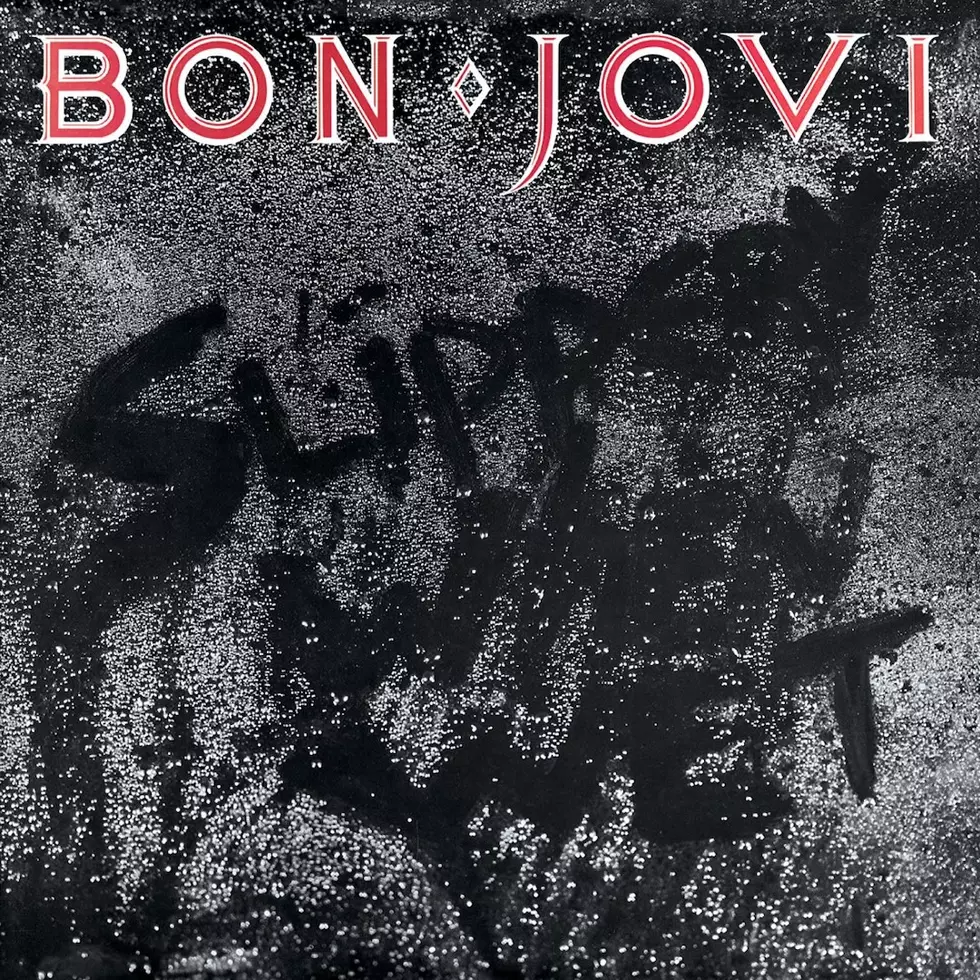
bon jovi slippery when wet album cover
Mercury / Vertigo
Bon Jovi: ‘Slippery When Wet’ (1986)
After two middlingly successful albums, Bon Jovi went for broke on Slippery When Wet, teaming up with super-producer Bruce Fairbairn and veteran songwriter Desmond Child. The result was a 10-song slab of bulletproof pop-metal, with razor-sharp riffs and PG-rated raunch tempered by fizzy hooks and soaring choruses.
Slippery When Wet‘s triptych of genre-defining smashes — “You Give Love a Bad Name,” “Livin’ on a Prayer” and “Wanted Dead or Alive” — pushed the album to nearly 30 million global sales, but every song here is an irresistible slice of roof-raising cheese-rock.
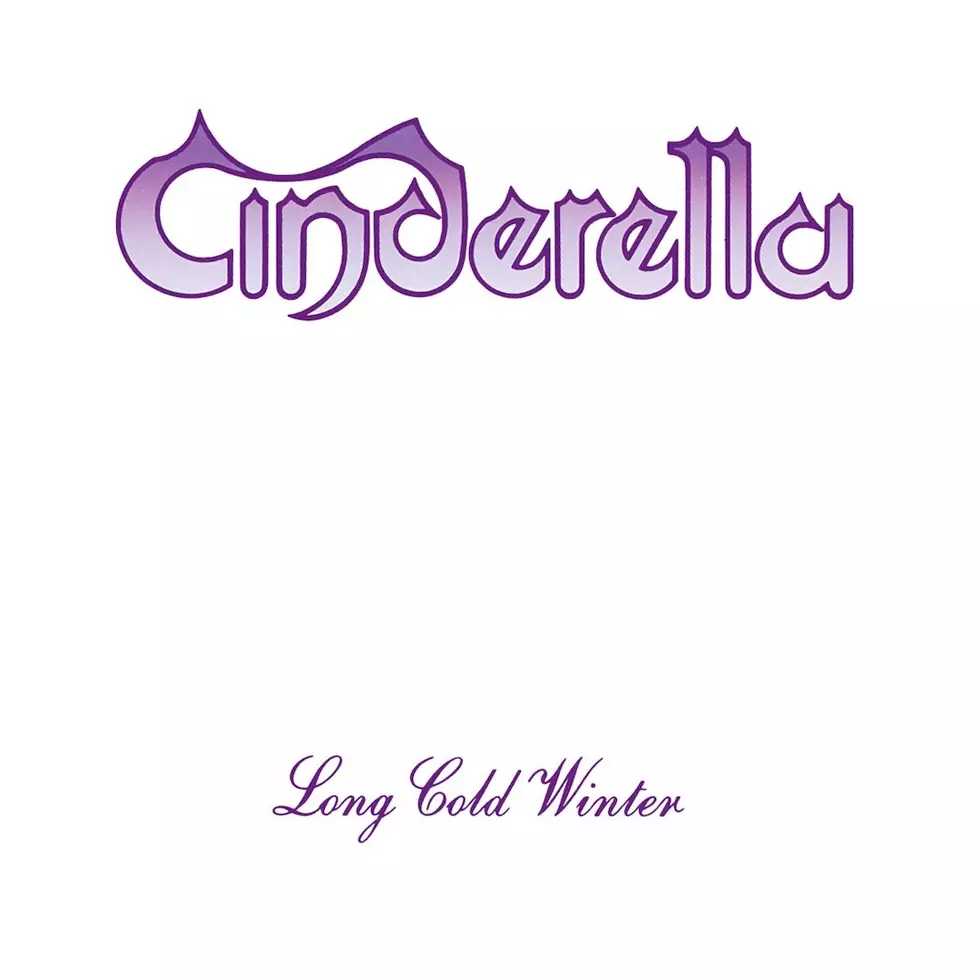
cinderella long cold winter album cover
Mercury / Vertigo
Cinderella: ‘Long Cold Winter’ (1988)
After the ghastly cover of Night Songs forever linked Cinderella to the hair metal movement, it made sense for them to opt for plain-text artwork on Long Cold Winter.
Sonically, the Philadelphia band’s sophomore album also represents a sharp pivot from pop-metal to bluesy hard rock. “Bad Seamstress Blues / Fallin’ Apart at the Seams” and “Fire and Ice” feature swampy slide guitar work, while “Gypsy Road” blends glam-metal hooks with Stonesy swagger.
Long Cold Winter has no shortage of ballads, but “Don’t Know What You Got (Till It’s Gone)” and “Coming Home” tug on the heartstrings with rootsy instrumentation and plaintive melodies instead of melodrama.
def leppard pyromania album cover
Vertigo
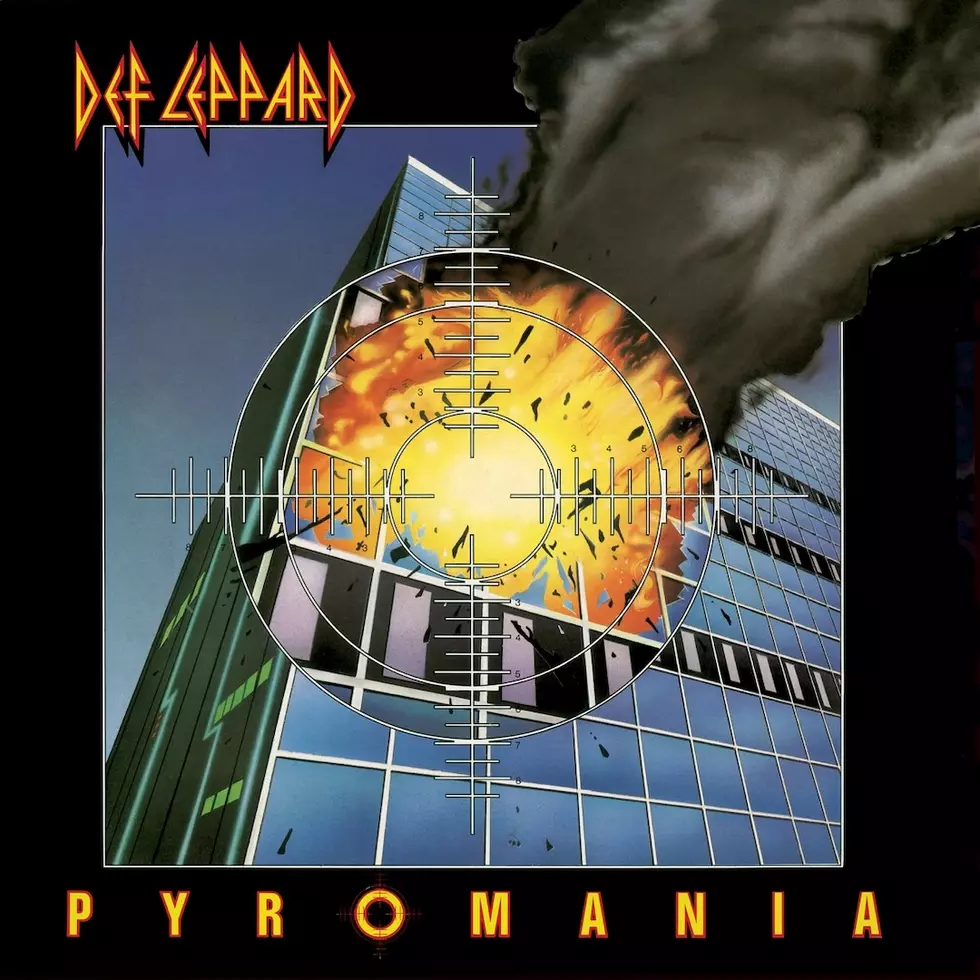
Def Leppard: ‘Pyromania’ (1983)
Hysteria might have completed Def Leppard’s hair metal evolution, but Pyromania began the shift — and did it better. The album bridges the gap between the band’s NWOBHM-adjacent roots and pop-metal imperialism, striking the perfect balance of melody and muscle.
“Rock! Rock! Till You Drop” and “Stagefright” are white-knuckle rockers featuring scorching solos from newly recruited guitarist Phil Collen, while “Too Late for Love” and “Foolin'” transcend the usual power ballad trappings with dark, moody melodies.
Under the tutelage of producer Robert John “Mutt” Lange, Def Leppard stack every song on Pyromania with towering vocal harmonies and skyscraping hooks, culminating in their signature song and all-time hair metal anthem “Photograph.”
dokken under lock and key album cover
Elektra
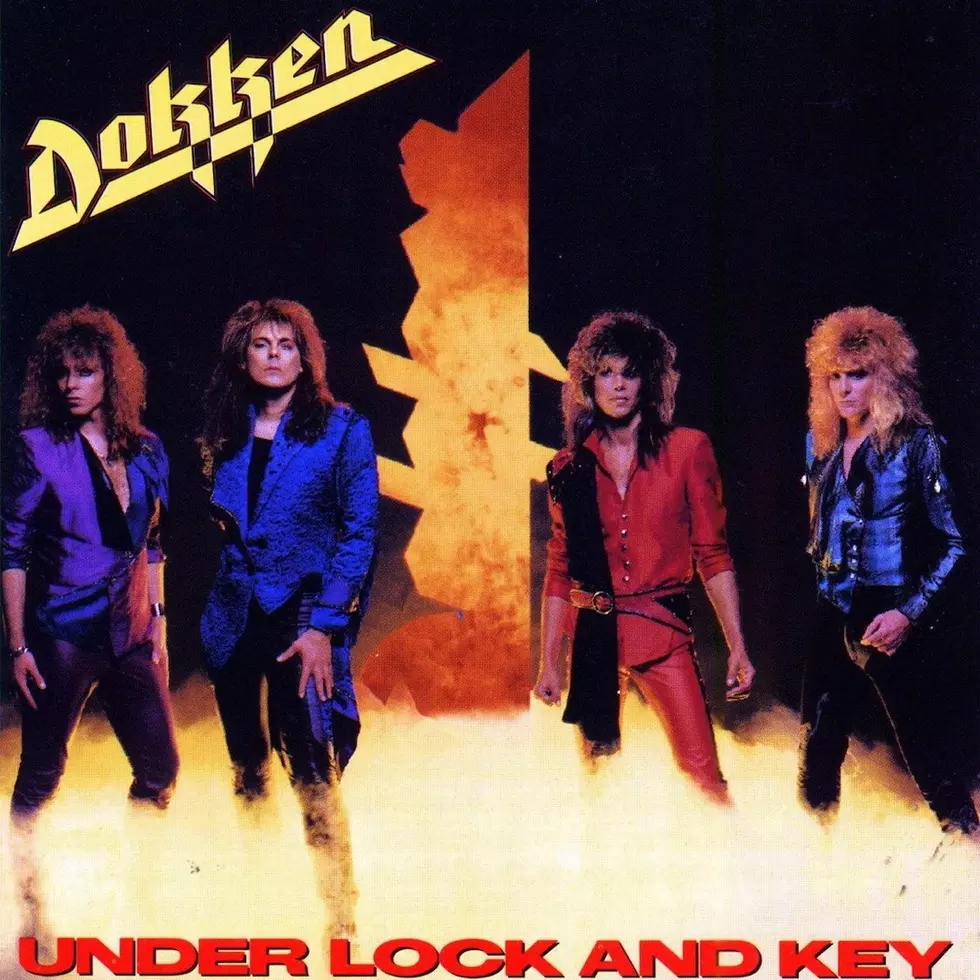
Dokken: ‘Under Lock and Key’ (1985)
Dokken’s 1984 sophomore album Tooth and Nail put the struggling glamsters on the map, and they continued gaining momentum with the slightly more polished (but still tough) Under Lock and Key.
Thrashing riff-rockers “Lightnin’ Strikes Again” and “Til the Livin’ End” satisfy the headbanging quota, and the opening volley of “Unchain the Night,” “The Hunter” and “In My Dreams” shows the band’s mastery of moody pop-metal.
Frontman Don Dokken harnesses his falsetto scream with more power and control, but guitarist George Lynch once again steals the show with solos that combine singalong melodies and dizzying shredding.
motley crue, shout at the devil
Elektra
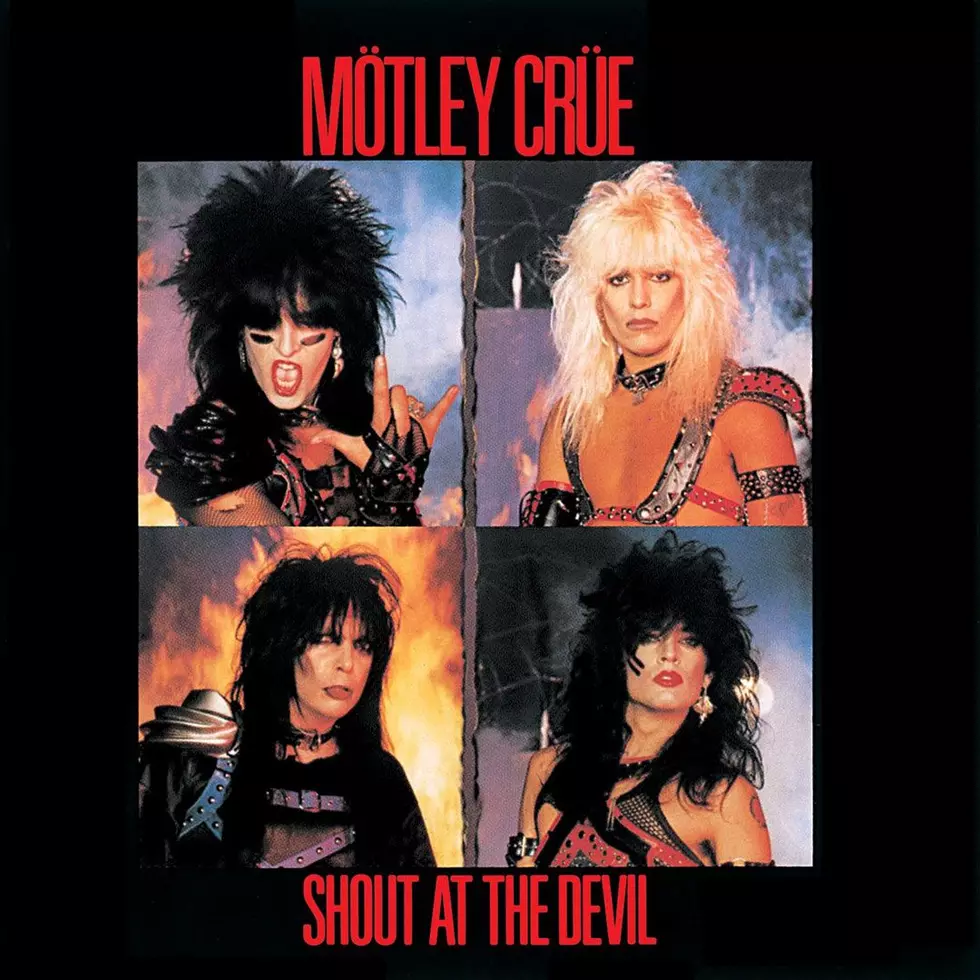
Motley Crue: ‘Shout at the Devil’ (1983)
Motley Crue’s second album refined the raw aggression and unchecked hedonism of their debut ever-so-slightly, trading some of Too Fast for Love‘s glam and power-pop elements for a dangerous metallic stomp.
The title track and “Looks That Kill” get maximum mileage out of power-chord riffs and gang-vocal choruses, while “Bastard” and “Red Hot” showcase Tommy Lee’s wildman drum chops.
But Shout at the Devil is most interesting when Motley Crue indulge their dark pop sensibilities, as heard on the bouncy “Too Young to Fall in Love,” brooding album closer Danger” and evocative Mick Mars instrumental “God Bless the Children of the Beast.”
poison open up and say ahh album cover
Enigma / Capitol
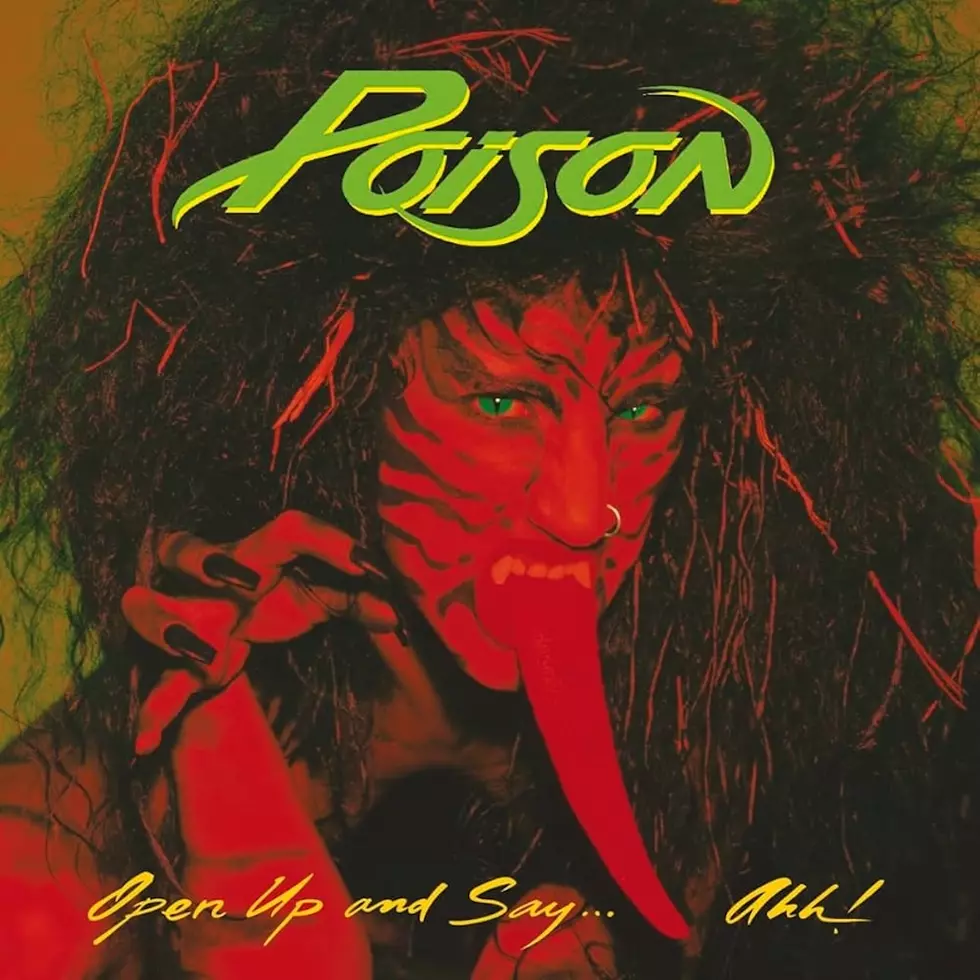
Poison: ‘Open Up and Say … Ahh!’ (1988)
Poison knew better than to mess with a winning formula. After Look What the Cat Dragged In turned them into stars, they stayed the course on Open Up and Say … Ahh!, a 10-song smorgasbord of unrepentantly horny party metal.
Producer Tom Werman polished up the band’s sound, and a few songwriting nips and tucks turned singles “Nothin’ but a Good Time” and “Fallen Angel” into irresistible (and surprisingly inspirational) hair metal anthems.
And even though you’ve heard it 10 trillion times, there’s no denying the simple pleasures of “Every Rose Has Its Thorn,” the country-flecked acoustic lament that became Poison’s sole chart-topper and the definitive hair metal ballad.
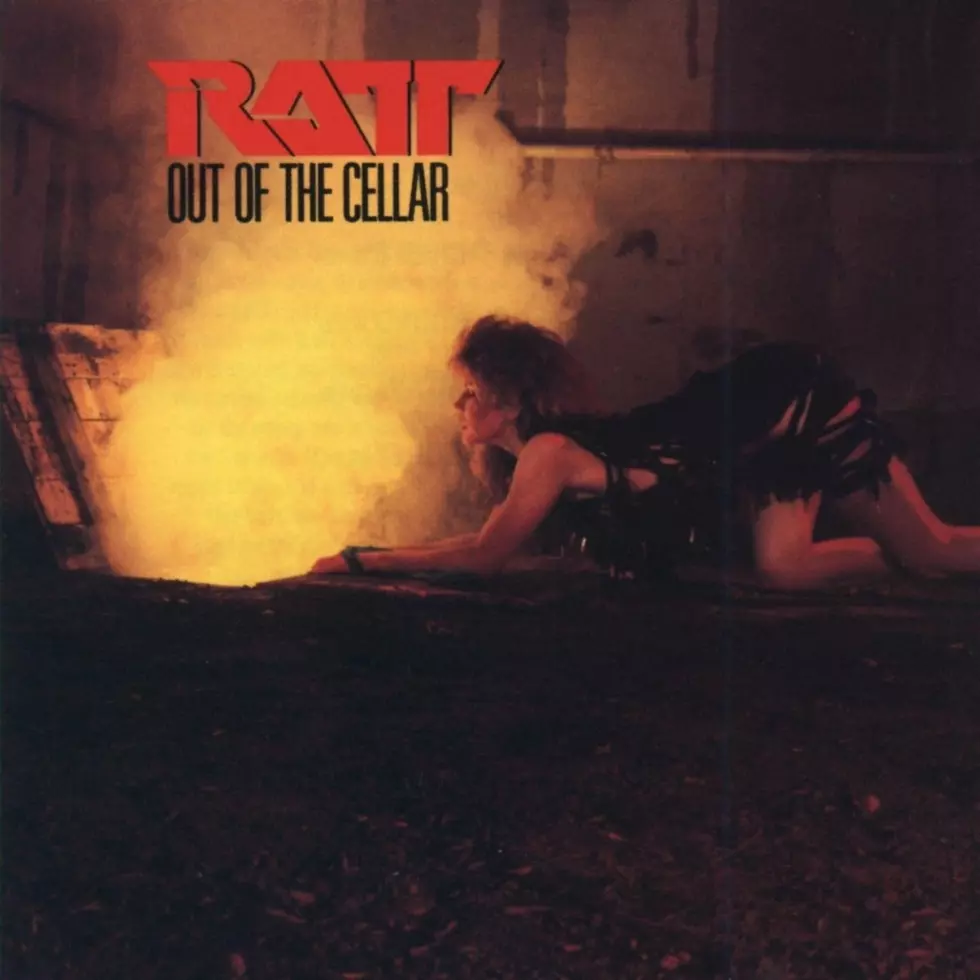
ratt out of the cellar album cover
Atlantic
Ratt: ‘Out of the Cellar’ (1984)
Hot on the heels of Motley Crue’s Shout at the Devil, Ratt exploded onto the Sunset Strip scene with their similarly trashy and decadent debut album Out of the Cellar.
Heavy but not off-putting, polished but not wimpy, Out of the Cellar showed a band with one collective foot in the gutter and one on the arena stage. Tough-guy anthems “Wanted Man” and “You’re in Trouble” utilize Stephen Pearcy’s nasally, streetwise snarl to its fullest, while “She Wants Money” and “I’m Insane” explode with punk-metal fury.
Out of the Cellar‘s calling card is the twin-guitar attack of Warren DeMartini and Robbin Crosby, whose dual solo on Top 10 hit “Round and Round” helped define an entire genre.
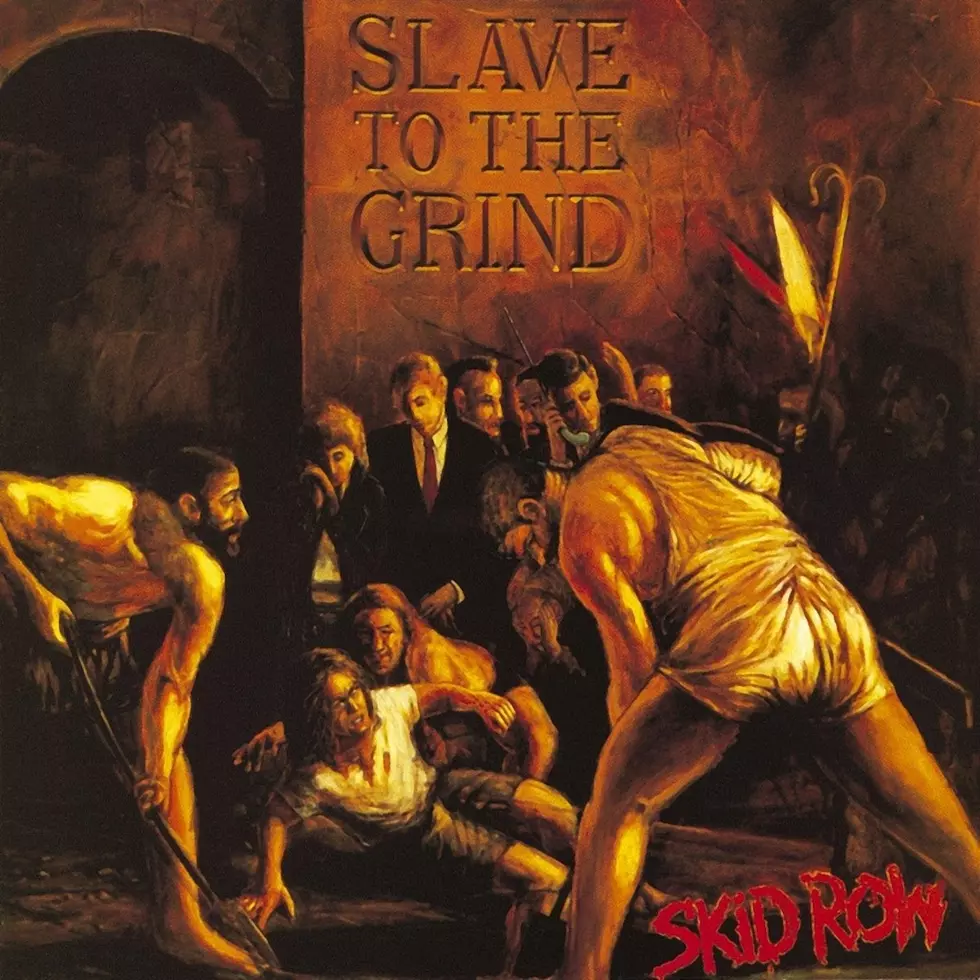
skid row slave to the grind album cover
Atlantic
Skid Row: ‘Slave to the Grind’ (1991)
Skid Row’s self-titled debut album was textbook hair metal, even if it had a slightly harder edge than most of their pretty-boy peers. But on Slave to the Grind, they broke free of the genre’s trappings and delivered a blistering heavy metal masterpiece that shot straight to No. 1 on the Billboard 200.
From the speed metal title track to the titanic grooves of “Monkey Business” and “Mudkicker,” nearly every song on Slave to the Grind hits like a ton of bricks, full of fiery riffs and stadium-ready choruses.
A trio of ballads — “Quicksand Jesus,” “In a Darkened Room” and “Wasted Time” — features devastating vocals from Sebastian Bach, who solidifies his status as a once-in-a-generation talent.
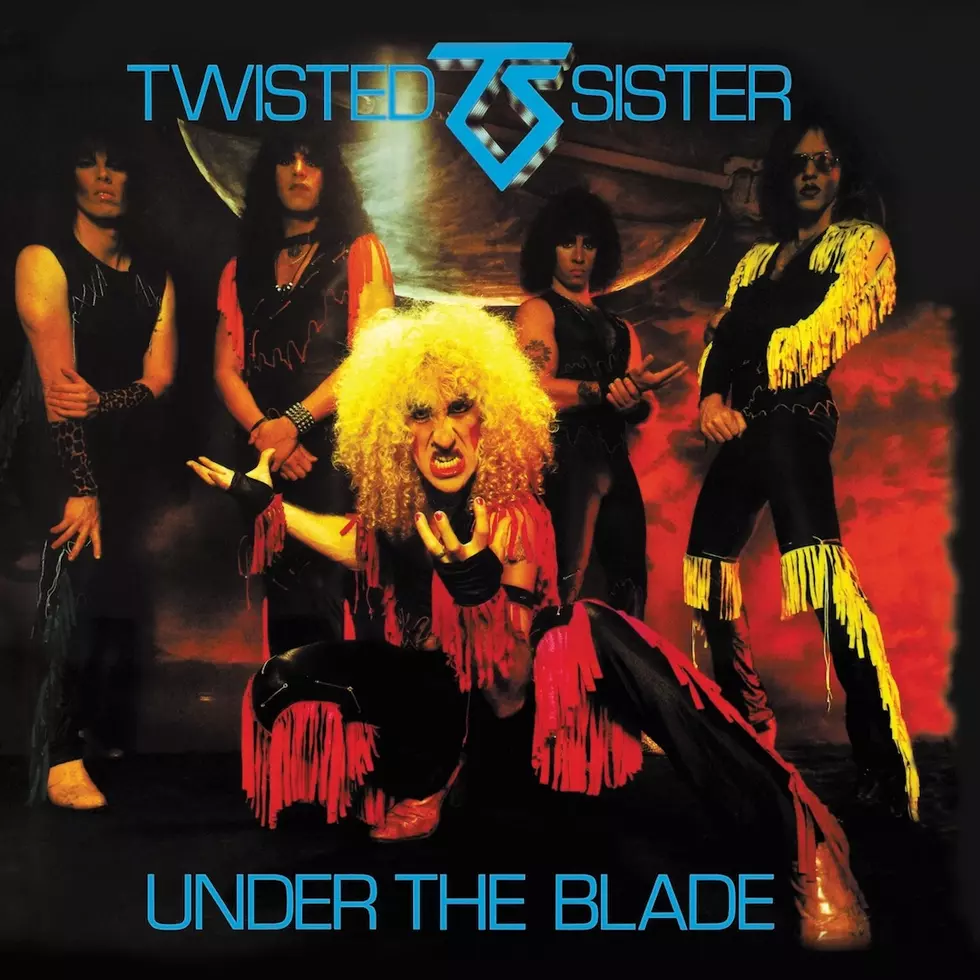
twisted sister under the blade album cover
Secret
Twisted Sister: ‘Under the Blade’ (1982)
Twisted Sister’s debut album often gets overlooked due to its shoddy production and lack of a hit single. Don’t make that mistake. Under the Blade is a smart, menacing, uncompromisingly heavy diamond in the rough that shows a band primed for the big leagues.
Twisted Sister’s East Coast roots are readily apparent on tough-as-nails rockers like “What You Don’t Know (Sure Can Hurt You)” and the title track, which combine the thrashing tempos and savage riffing of Judas Priest with the tongue-in-cheek vocals and outsize theatricality of Alice Cooper.
Dee Snider’s clown makeup and poodle hair would seem like a bad joke on a lesser frontman, but his devilish growl on the doom-laden “Destroyer” is no laughing matter.
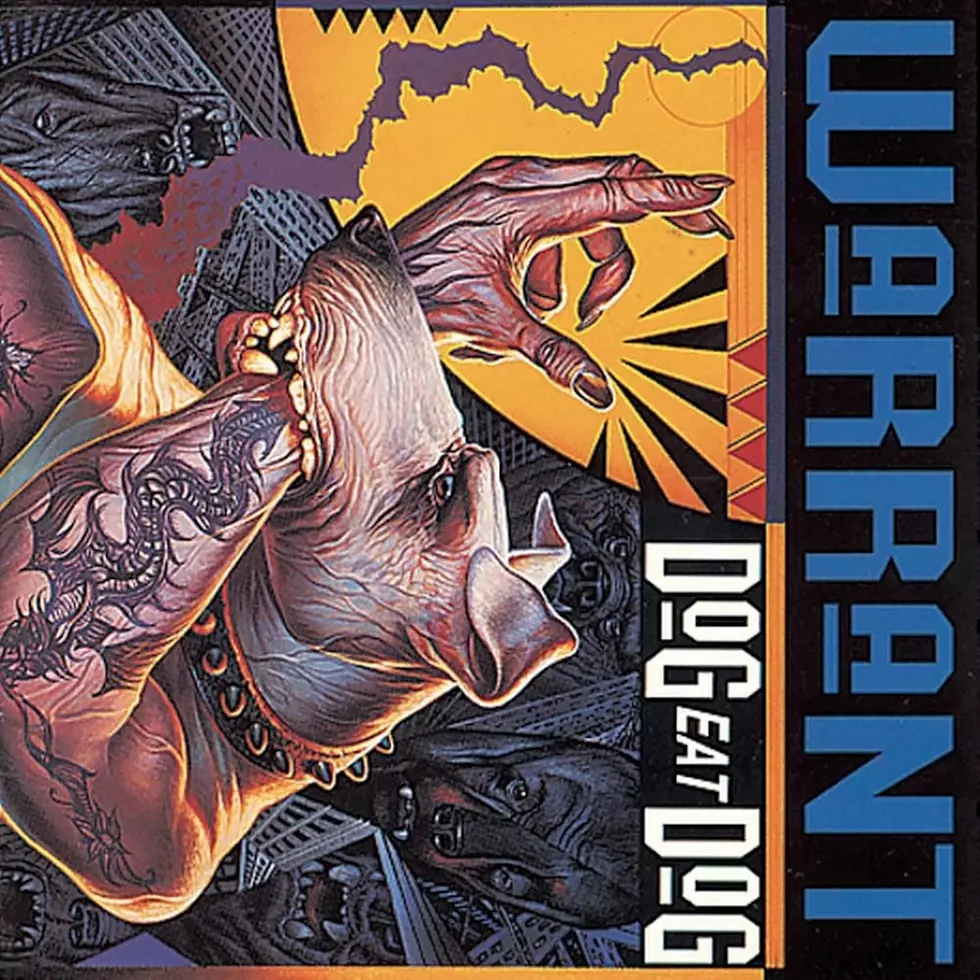
warrant dog eat dog album cover
Columbia
Warrant: ‘Dog Eat Dog’ (1992)
Warrant frontman Jani Lane was always a smarter, savvier songwriter than the boneheaded hits “Cherry Pie” and “Down Boys” suggested. He fully realized his ambitions on the band’s third album, Dog Eat Dog. Songs such as “Machine Gun” and “Bonfire” bristle with metallic riffs, monstrous grooves and just enough libidinous edge to appease day-one fans. Meanwhile the breakneck “Inside Out” enters full-fledged speed metal territory.
Lane’s clever lyricism is on full display on the post-apocalyptic ballad “April 2031” and the moody rocker “All My Bridges Are Burning,” which seems to address Warrant’s own depleting fortunes at the onset of the grunge explosion. It’s a damn shame, because Dog Eat Dog can go toe-to-toe with the best rock and metal albums of 1992.
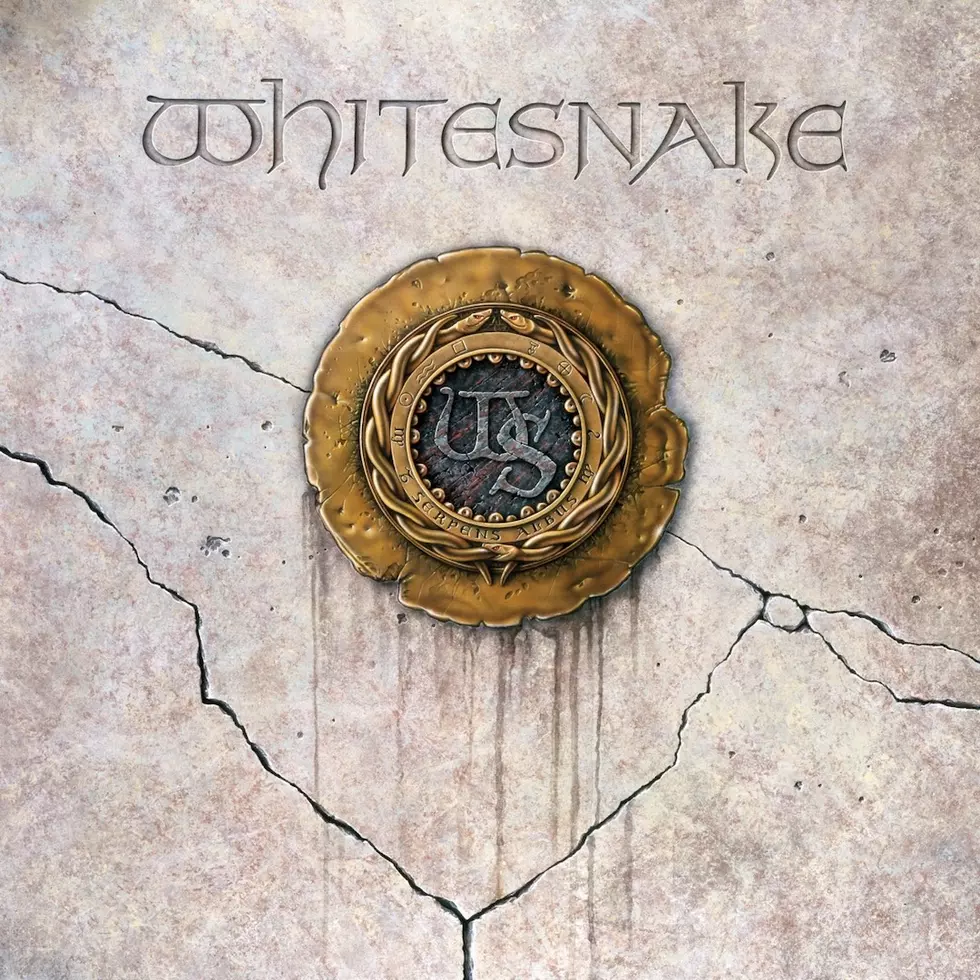
whitesnake self titled album cover
Geffen / EMI
Whitesnake: ‘Whitesnake’ (1987)
Whitesnake didn’t start off as a hair metal band, but judging by their stellar 1987 self-titled album, they were always destined to become one. Or at least that’s what visionary A&R man Jon Kalodner thought when assembling the lineup and retooling some earlier Whitesnake songs into massive of-the-era hits.
Bandleader and frontman David Coverdale found his perfect foil in hotshot guitarist and songwriting partner John Sykes, whose live-wire riffs and dizzying solos abound on the muscular “Bad Boys” and “Children of the Night.” Coverdale dazzles on the smoldering blues-metal epics “Crying in the Rain” and “Still of the Night,” and the obligatory smash ballads “Here I Go Again” and “Is This Love” punch above their weight with rich melodies and massive hooks.